The Difference Between Having Papers and Having a Plan That Works
Learn why estate planning documents alone are not enough, and how coordination, communication, reviews, and follow-through create a plan that works.

Searching for an elder law attorney near me usually means something has changed. A parent’s health is shifting. Long-term care is becoming part of the conversation. Or you simply want to make sure decisions are clear before a crisis forces them. Elder law planning helps families prepare thoughtfully, with tools that work in real life across Arkansas and Texas.

Many people ask, what is elder law? Elder law focuses on the legal and practical issues that come with aging. It includes planning for long-term care, protecting assets where possible, preparing for incapacity, and making sure decision-making authority is clear.
An elder law attorney helps families:
Plan for Medicaid eligibility
Prepare powers of attorney and healthcare directives
Create trusts designed for long-term care planning
Protect dignity while protecting assets
Elder law is not just about documents. It is about making sure families are not left scrambling during already difficult seasons.

Many families wonder when should I hire an elder law attorney. The answer is usually earlier than you think.
Consider speaking with an elder law attorney if:
A parent is beginning to need assistance
A diagnosis may lead to long-term care
You are concerned about nursing home costs
You want to avoid rushed decisions during a health crisis
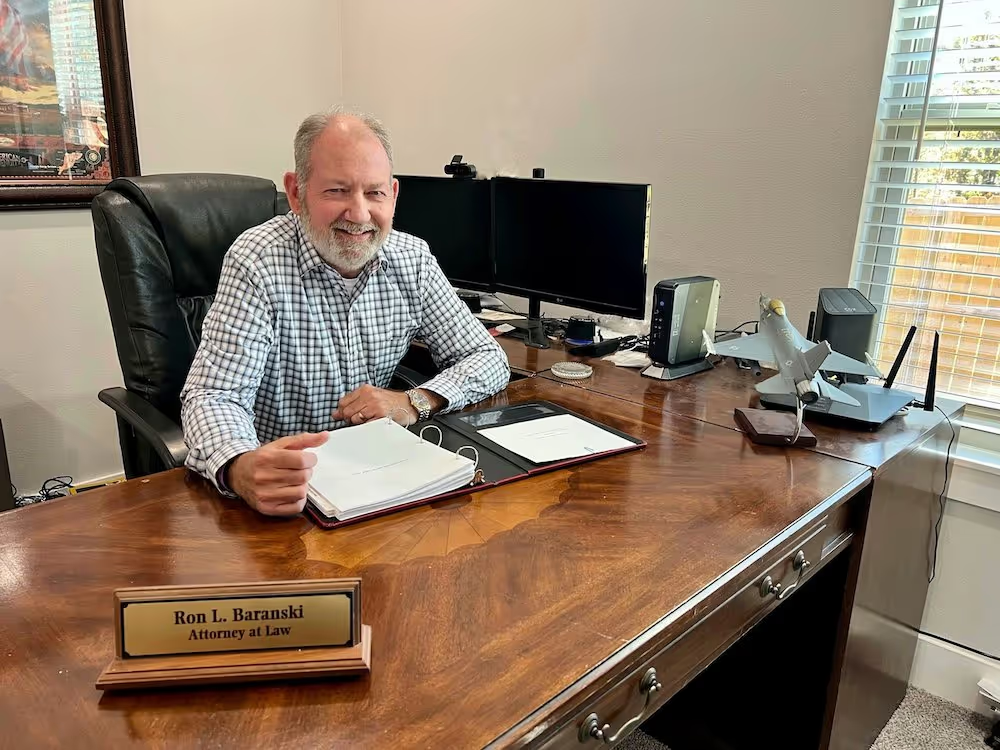
Planning works best while someone is still able to make decisions clearly. As Ron often reminds clients, most things can be fixed if two things are still true, you are alive and competent.

Elder law services often include a combination of planning tools designed to work together.
Planning ahead can help families understand eligibility rules and timing requirements before care becomes urgent.

In some situations, specific trusts are used as part of proactive planning to help protect assets while preparing for possible long-term care needs.

Clear powers of attorney and healthcare directives prevent confusion and court involvement if someone cannot speak for themselves.

When planning was not completed in advance, court-based solutions may become necessary. Elder law helps families understand those options.

Some people ask about elder law vs estate planning. While the two are connected, they serve different purposes.
Estate planning prepares for the transfer of assets after death.
Elder law prepares for aging, incapacity, and long-term care during life.
When done correctly, elder law and estate planning work together to create a complete plan. Trust planning, wills, and incapacity documents should align with long-term care considerations and federal tax law.

An elder law attorney focuses on legal issues related to aging, including long-term care planning, Medicaid eligibility, incapacity planning, and asset protection strategies.
Estate planning addresses what happens after death. Elder law focuses on care, decision-making, and financial protection during life.
Costs vary depending on the complexity of planning and the tools involved. A conversation helps clarify what level of planning is appropriate.
Medicaid planning becomes important when long-term care is likely and asset protection is a concern. Planning earlier provides more options.
Because elder law depends on state-specific rules, working with an attorney licensed in your state is important. Ron serves families in Arkansas and Texas.
Estate planning does not have to feel overwhelming or rushed. It starts with a conversation about your family, your concerns, and what you want to protect. If you are ready to replace uncertainty with clear, usable tools, or if you want to know whether your current plan truly works under Arkansas law, the next step is a simple conversation.